

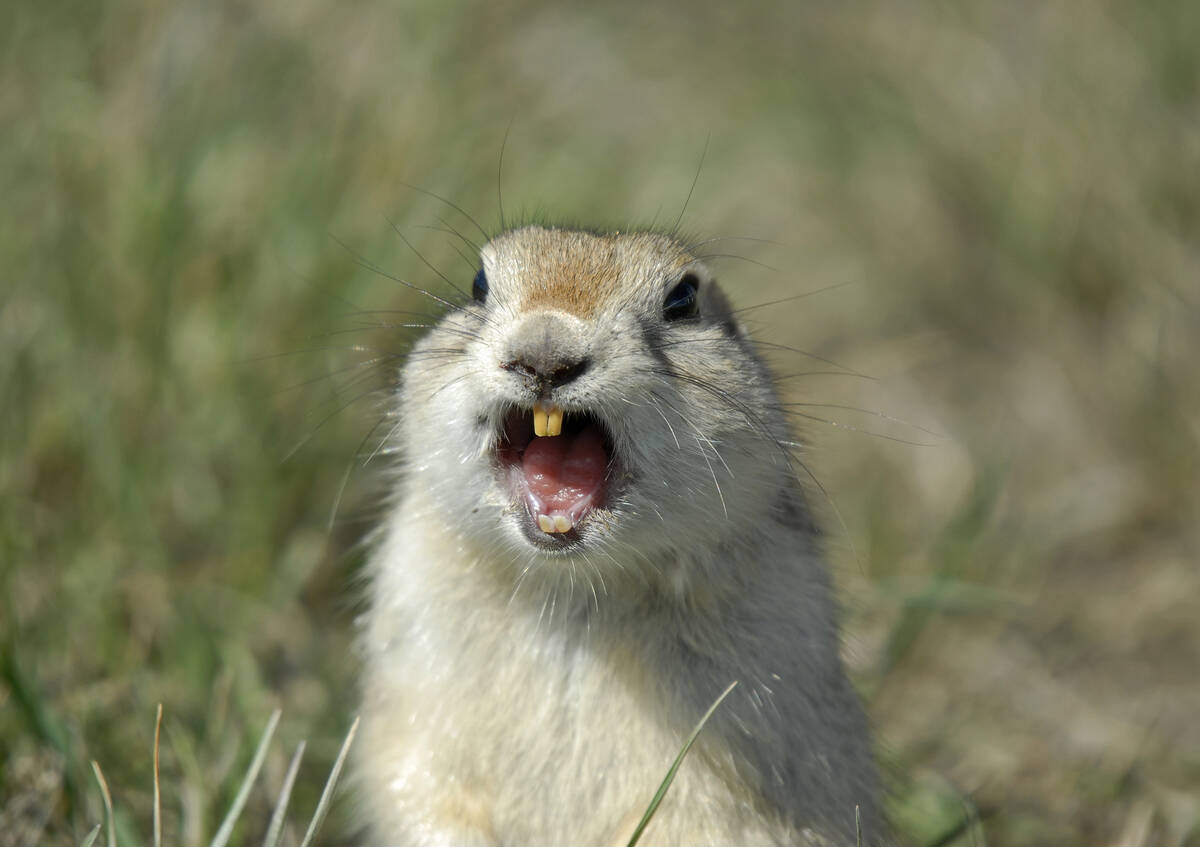
Glacier FarmMedia — Farmers in Saskatchewan and Alberta are cleared to use strychnine this year and next year against gophers wrecking their fields and pastures.
Health Canada, which oversees the federal Pest Management Regulatory Agency (PMRA), announced Monday evening it has authorized a “time-limited and controlled” emergency-use registration for the rodent poison for those two provinces, running until November 2027.
WHY IT MATTERS: Other pest controls are available for use against gophers but farmers find strychnine both more effective and easier to use.
Read Also
Richardson International sells Matex Control Chemical brand
Richardson International Limited announced on March 18, 2026 it sold its Matex Control Chemical brand to Harvest Acquisitions.
The new decision follows the federal government’s cancellations of all registered uses of strychnine in recent years, and a joint application for the product’s emergency use filed by the two provinces’ agriculture ministries last October.
PMRA had rejected that joint application in February, saying its proposals “did not provide sufficient means to address the risks of concern identified in the re-evaluation that led to strychnine’s cancellation.”
The earlier cancellations had been based on an updated environmental risk assessment, which had found no “practical risk-reduction measures to protect non-target animals” if they fed on strychnine-poisoned pest or predator animal carcasses or directly on poisoned gopher bait.
However, Health Canada said Monday, the two provinces last week filed a revised joint emergency-use request which includes “additional restrictions and mitigations … to lower the environmental risk to an acceptable level.”
The “significant” added measures in the new plan include a “reduced geographical scope” and “revised product stewardship program,” among others, Health Canada said.
Since strychnine’s uses were cancelled, farmers and ranchers have been raising concerns about on-farm efficacy of other products still registered for use against gophers.
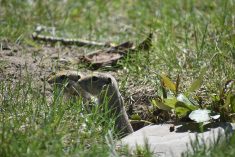
The temporary use of strychnine will help farmers address “multi-million dollars worth of damage” in various crops from a recent spike in populations of gophers, a.k.a. Richardson’s ground squirrels, Health Canada said Monday.
Health Canada noted the Prairies have been experiencing “abnormally dry conditions, which (affect) the sustainability and quality of farmlands and allowed the population of these gophers to increase significantly.”
Reaction so far
“Saskatchewan producers have been clear about the challenges they face in managing gophers with the limited tools currently available,” provincial Agriculture Minister David Marit said Monday in Health Canada’s release. “We’re pleased to see the emergency use request granted as a practical opportunity for producers to demonstrate how strychnine can help protect their crops and pastures from continued damage.”
“Alberta’s producers have faced significant challenges managing (gophers) and the loss of this control method was difficult and costly for many in the ag sector,” RJ Sigurdson, Alberta’s minister for agriculture and irrigation, said in the same release.
“I’m confident that, with this effective tool back in the hands of our producers, they will be able to better manage their operations and reduce excessive crop and grassland losses due to the overpopulation of (Richardson’s ground squirrels) throughout the Prairies.”
“Innovative and collaborative efforts by all levels of government are needed to support the domestic agriculture industry especially during this period of uncertainty,” federal Health Minister Marjorie Michel and Agriculture Minister Heath MacDonald said in the same release. “Our governments’ shared commitment of supporting Canadian farmers, our economy, and food security led us to work together to address a compounding threat.”