
Chicago | Reuters — The Iran war has upended the planting intentions of U.S. farmers, resulting in fewer acres of corn and the lowest quantity of spring wheat planted since 1970 as rising fertilizer and fuel costs and low grain prices dim the outlook for profits, analysts said ahead of a U.S. government report due on Tuesday.
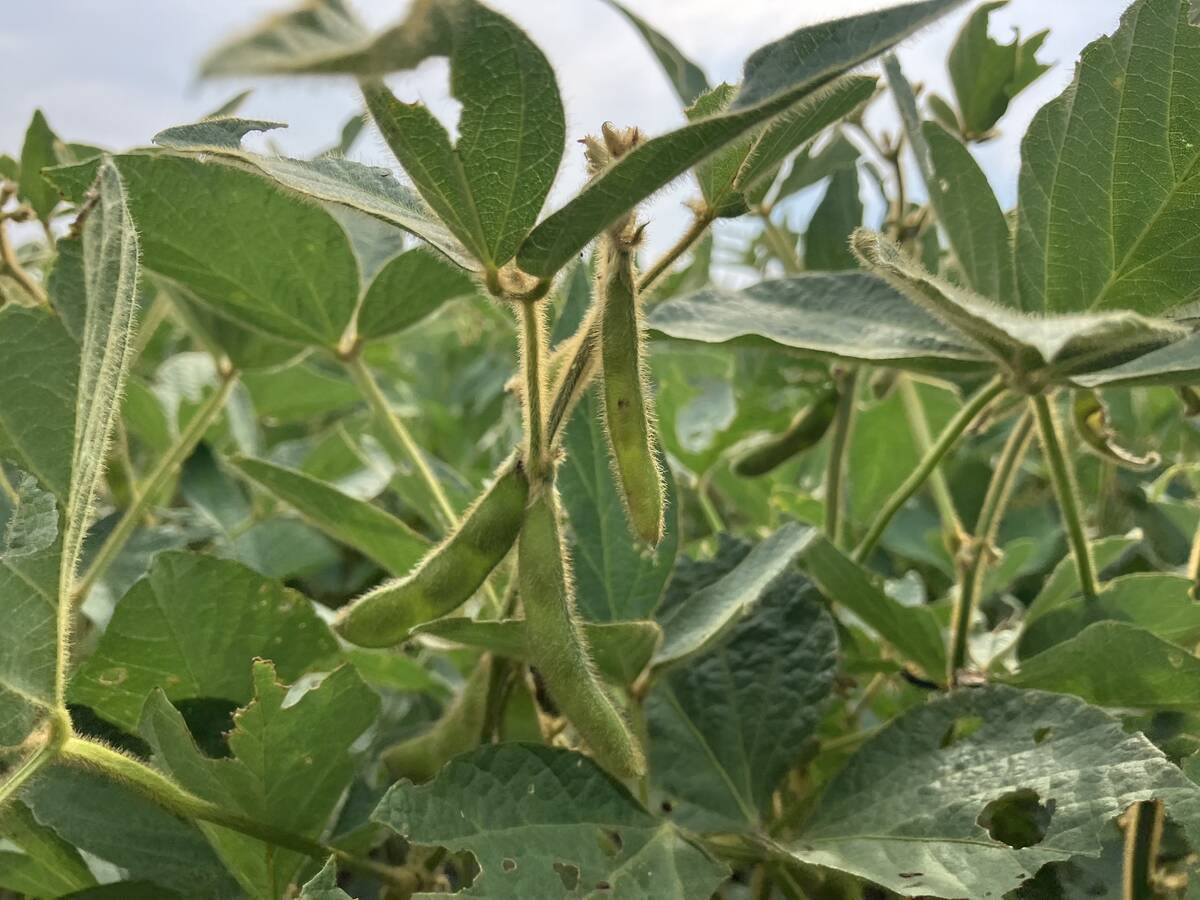
Soybean seedings, meanwhile, are expected to jump as some growers shift acres away from corn and wheat, which require more costly fertilizer, they said.
Farmers are entering the critical spring planting season under a cloud of uncertainty as the U.S.-Israeli war with Iran disrupts global trade, causing fertilizer and diesel costs to spike. The long-term U.S. trade relationship with China also remains unclear amid the ongoing trade war launched by President Donald Trump’s administration with the top soy importer.
Read Also

Trump tells farmers that tractor companies should lower prices
U.S. President Donald Trump announced new measures on Friday to support U.S. farmers who are reeling from the administration’s trade policies and the Iran war and suggested farm equipment makers cut prices
U.S. net farm income
Meanwhile, U.S. net farm income is forecast to turn lower this year despite near-record government payments, marking the fourth straight year of crop producers facing tight margins, high production costs and low commodity prices.
The Trump administration is in the process of distributing $12 billion (C$16.6 billion) in aid to U.S. farmers. As the repercussions of the war rattle the broader economy, farm groups have urged Congress to approve additional aid.
The U.S. Department of Agriculture is due to release its annual prospective plantings report on Tuesday, its first survey-based crop acreage estimate of the year. Analysts cautioned that the estimates, gleaned from farmer surveys conducted in the first half of March, could not fully account for disruptions and price impacts caused by the war, which began when the United States and Israel launched airstrikes across Iran on February 28.
“This particular planting intentions report, right out of the gates, is going to be viewed somewhat skeptically by the trade just because of the timing of the survey with the start of the war and how things have changed in terms of costs,” said Terry Linn, analyst with Linn & Associates in Chicago.
Analysts polled by Reuters, on average, projected corn plantings to drop to 94.371 million acres, down from 98.788 million acres in 2025, which was the most since 1936. Soybean seedings were seen at 85.549 million acres, up from 81.215 million a year ago.
Wheat plantings expected to fall
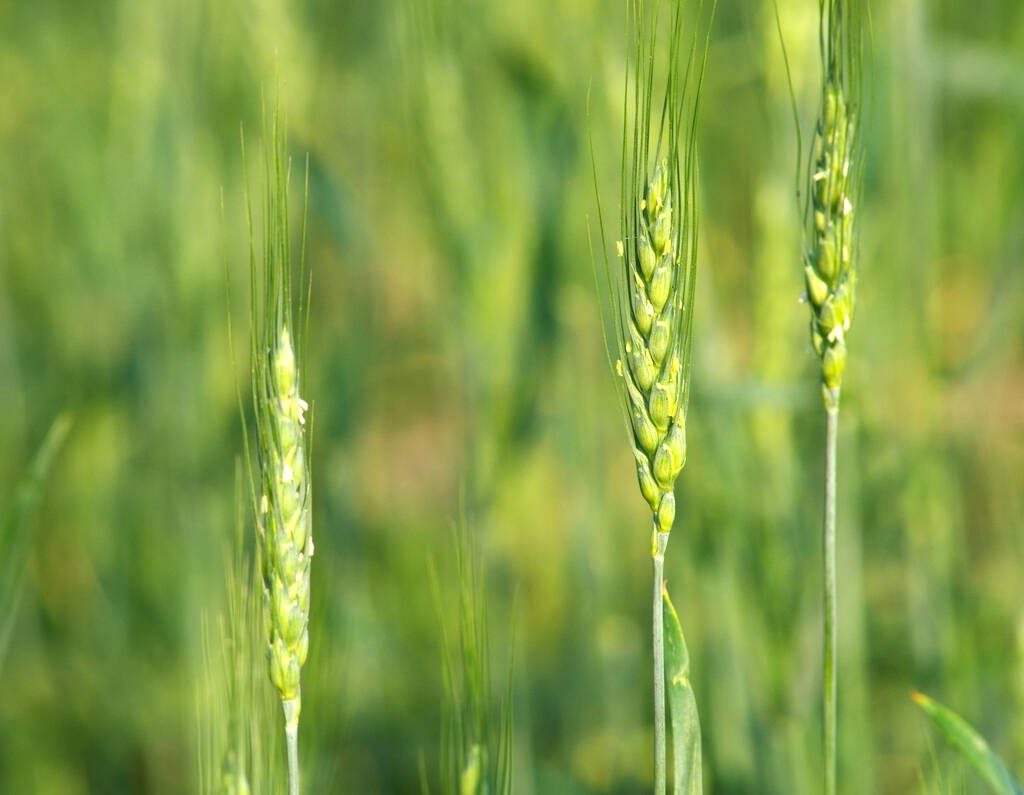
Plantings of spring wheat, grown in the northern Plains, are forecast to drop to 9.843 million acres, down from 9.990 million last year and the lowest since 1970. Prices for the high-protein grain have slumped since a record Canadian harvest last year.
Farmers in the U.S. Midwest farm belt normally rotate their fields with corn one year and soybeans the next, but profit projections and input costs can prompt farmers to deviate from their crop rotations in some fields.
“The fertilizer cost and fertilizer availability are the main drivers right now,” said Rich Nelson, chief strategist with Allendale. “But I would point out that we have questions about whether the USDA’s report will show the true story.”
Prices for urea fertilizer are up about 40 per cent since the start of the war while costs for anhydrous ammonia are up nearly 20 per cent, according to a report this week from economists at the University of Illinois.
“Given that nitrogen fertilizers are not used intensively on soybeans, higher nitrogen prices could also lead to a shift towards more soybean acres and fewer corn acres,” they said.
U.S. Agriculture Secretary Brooke Rollins this month estimated that about 75 per cent of farmers already had their fertilizer needs booked.
Hunt for alternatives
The hunt is on for alternatives that would insulate farmers from price volatility tied to natural gas in fertilizer markets, and be less carbon-intensive.
While natural gas powers the process of synthesizing most widely used ammonia fertilizers, there are efforts to power more ammonia production with renewable energy.
In Minnesota for example, a coalition of agriculture and conservation organizations launched the Minnesota Made Ammonia project on March 5 to build local ammonia production facilities in Minnesota that use renewable energy, according to a statement from the group.
Outside of the heart of the Midwest corn and soybean belt, farmers have more planting options, including hard red spring wheat, durum wheat, canola and cotton, analysts said.
Demand for biofuels swells
In North Dakota, the top spring wheat state and a key supplier of soybeans that are shipped to China via Pacific Northwest ports, rising fertilizer costs and trade uncertainty are likely to prompt some farmers to choose corn or canola over soybeans and wheat, analysts said.
The price of urea fertilizer has jumped at least $200 per ton since the start of the war, according to Jim Peterson, executive director of the North Dakota Wheat Commission.
“On a 50 bushel (per acre) wheat yield, you need another 40 or 50 cents a bushel to just cover that cost,” Peterson said.
Canola, grown in the northern Plains and in Canada, is also a viable option despite high fertilizer costs due to strong demand for vegetable oil for biofuel production. Demand for biofuels has swelled amid rising prices for petroleum-based fuels.
In the Delta, low cotton prices and costly inputs are likely to lead to the lowest cotton plantings in a decade as farmers may choose more profitable soybeans instead.
“If we go through the rest of March and into April with soybeans looking this much stronger than cotton, then, yes, we’ll see more acres move from cotton to soybeans,” said Barry Bean, president of Bean & Bean Cotton Company.
1 acre = 0.405 hectares
— Additional reporting by Ed White in Winnipeg, Renee Hickman in Chicago and Anmol Choubey in Bangalore