

UPDATED – While Farm Credit Canada’s offer of financial aid gives farmers needed flexibility amidst spiking input costs, it still requires growers to take on more debt, says Grain Growers of Canada.
“Which is not sustainable,” the organization said in a statement to Glacier FarmMedia.
“Access to additional credit does not address the underlying issue.”
FCC announced it would extend its Trade Disruption Customer Support Program, originally established in early 2025 in response to tariffs. Agriculture and food borrowers will be able to receive a new or additional credit line of up to $500,000 to modify terms and to defer principal payments on existing loans.
Read Also
USDA attachés forecast some changes in China’s oilseeds, cereals
As China heads into the 2026/27 marketing year, the United States Department of Agriculture attachés in Beijing projected a few minor to moderate changes in the country’s soybean, canola, corn and wheat crops.
FCC will now also provide support to help producers and agribusinesses “manage financial pressures caused by unexpected market shocks,” Friday’s statement said.
Middle east conflict spikes input prices
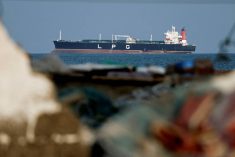
Fertilizer prices have soared since the Iran war began at the end of February and led to the closure of the Strait of Hormuz to most shipping, disrupting urea and sulphur supplies from the Gulf.
As a result, farmers around the world are struggling with fertilizer costs as the northern hemisphere spring planting season approaches.
“I would be faced with financial stress and I would have to maybe not buy as much fertilizer, or I would not plant what I was supposed to plant,” said FCC chief economist J.P. Gervais. “The liquidity in the credit is to actually, hopefully help businesses not having to deviate from what they believe is in their best interest long-term.”
Looking for immediate action
Grain Growers of Canada argues that the federal government should reduce farmers’ costs by dropping fertilizer tariffs.
Canada placed 35 per cent tariffs on Russian fertilizer levied in response to Russia’s war against Ukraine. That tariff stopped imports of Russian urea, which had previously made up more than 63 per cent of Canadian imports according to a 2025 report from Grain Farmers of Ontario.
“Canada should also explore targeted, temporary support tied to fertilizer affordability, activated during periods of extreme price volatility, to provide a short-term safety net for farmers while longer-term solutions are implemented,” Grain Growers of Canada said.
-With files from Reuters