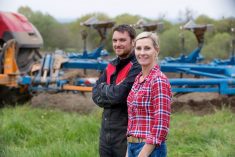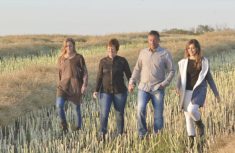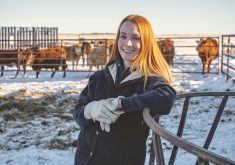

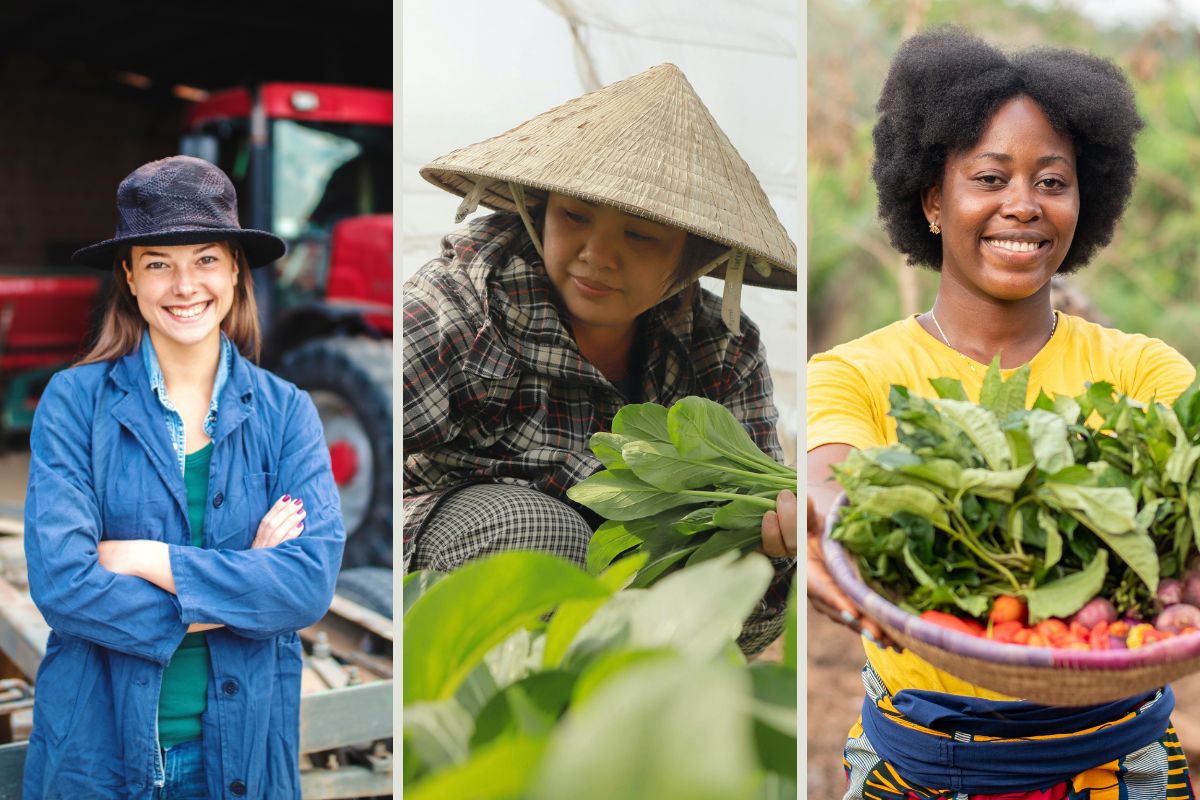
If you’ve been a long-time reader of Country Guide, you’ll have read many articles in our pages over the years that highlight women farmers, ranchers, industry leaders, mentors and partners.
March 8 is International Women’s Day, a global, annual celebration recognizing the social, economic, cultural and political achievements of women, while advocating for accelerated gender equality.
Women’s Month, which celebrates the contributions of women to history and society, is observed in March in the U.S., Australia and Germany to align with International Women’s Day. In Canada, we celebrate Women’s History Month in October to align with Person’s Day (October 18), a day that commemorates the landmark 1929 court ruling that recognized women as legal “persons.”
Read Also
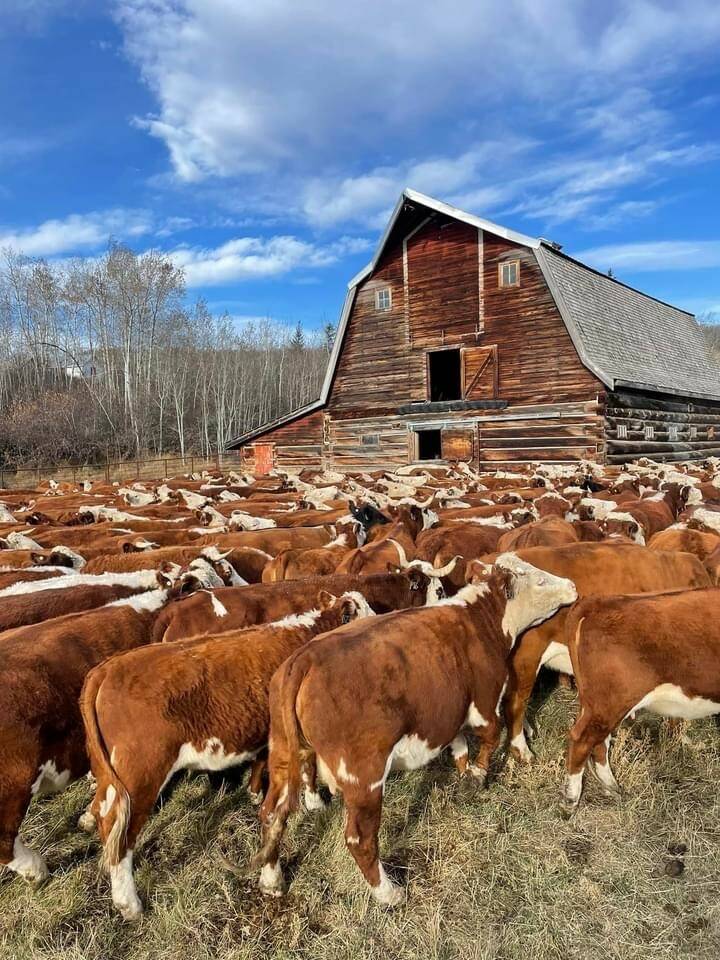
B.C. Century Farm focuses on protection and quality of their herd
Despite numerous challeges past and present, this B.C. ranch focuses on what’s within their control to face industry headwinds.
And this year, 2026, has been named the International Year of the Woman Farmer by the United Nations’ Food and Agriculture Organization. They write, “Worldwide, women play essential roles throughout agrifood systems whether producing, processing or trading. Their work is vital for the welfare and health of their families, communities and economies. But in many countries, women’s contributions are not always appreciated, limiting their access to resources and opportunities.
“The International Year of the Woman Farmer 2026 is designed to highlight these realities, close gender gaps and strengthen women’s livelihoods, promoting their leadership qualities to build a more inclusive and sustainable agrifood system.” (To learn more, visit fao.org/woman-farmer-2026.)
Over the past decade-and-a-half, Country Guide articles have explored all these themes and more. We’ve looked at the benefits a woman’s perspective can bring to the board or farm table, how women have overcome challenges they’ve faced in a male-dominated industry, the pros and cons of invisible work, what a gender-neutral farm looks like, what women in ag need to succeed, the effect the “dream gap” has on young girls dreaming of becoming a farmer one day, and so much more.
In short, we’ve delved into the many roles women play, the proven value they bring and how they can confidently lead in a sector critical to Canada’s economic and social success.
Below, we’ve compiled some of the “best of” articles from our pages about women in Canadian agriculture.
PROFILES
- Ontario sisters strike farm business partnership
- When she’ll be the leader…
- A Canadian woman’s experience in ag
LEADERSHIP, BUSINESS, CONTRIBUTIONS
- What women in agriculture need and want
- A woman’s place
- The role ahead for women in agriculture
- Why agriculture needs more women to take on more farm roles
- Different goals for women in ag
What did you notice as you read through the articles above (which stretch back to at least 2014)?
Have things changed for women in ag? Not enough? Too much? Didn’t notice a difference? We’d love to hear from you: [email protected]