
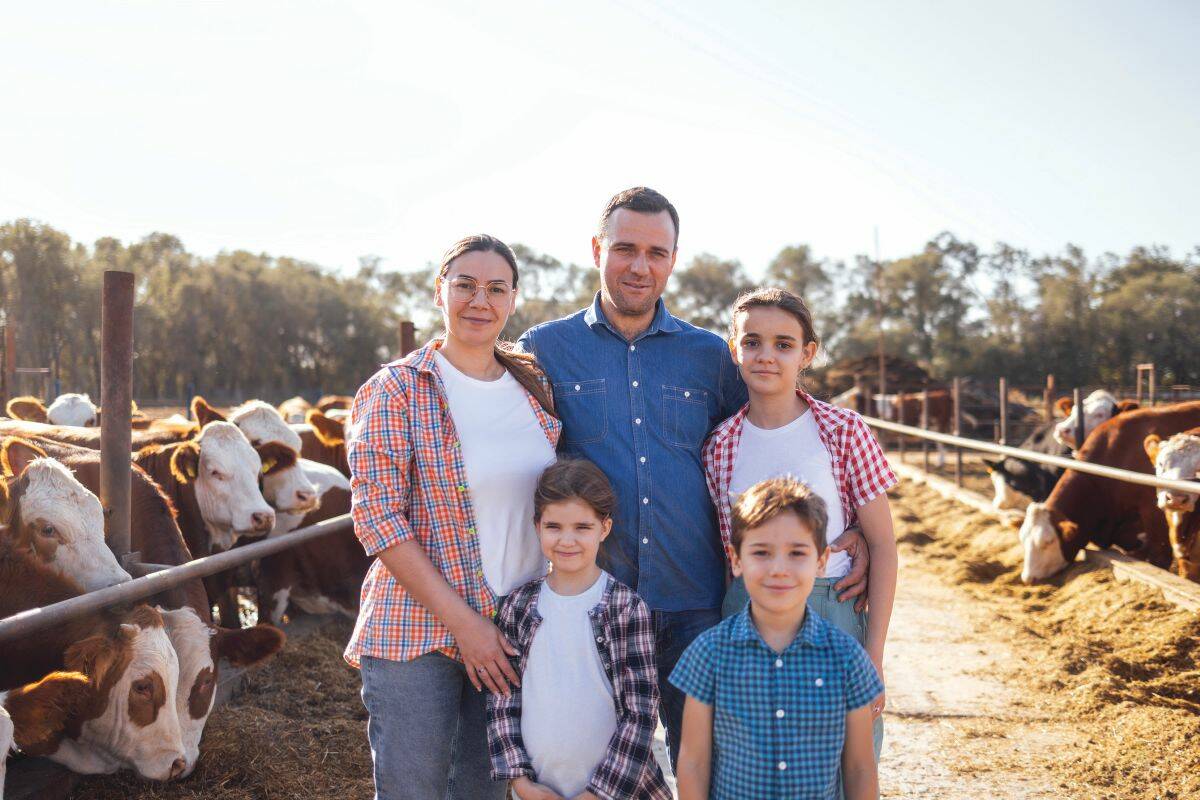
Three siblings, Josh, Jessie, and Cam* work together on the family dairy farm. The two youngest, Jessie and Cam, have recently returned to the farm, and both are full of new ideas they picked up in college and by working off the farm. They are pushing to implement new practices and technology in the operation.
Josh, who’s already been working alongside their dad on the farm for 10 years, is reluctant to entertain new ideas and is generally resistant to change.
This situation has created a divide in the family, especially with Josh, who feels his experience and vision for the farm are undervalued.
Read Also
Taxation of RRSP/RRIF at death: rollover in favour of a spouse?
Special taxation rules apply to RRSPs/RRIFs upon your death. It’s important to work proactively with your financial advisor so that your spouse knows what to expect.
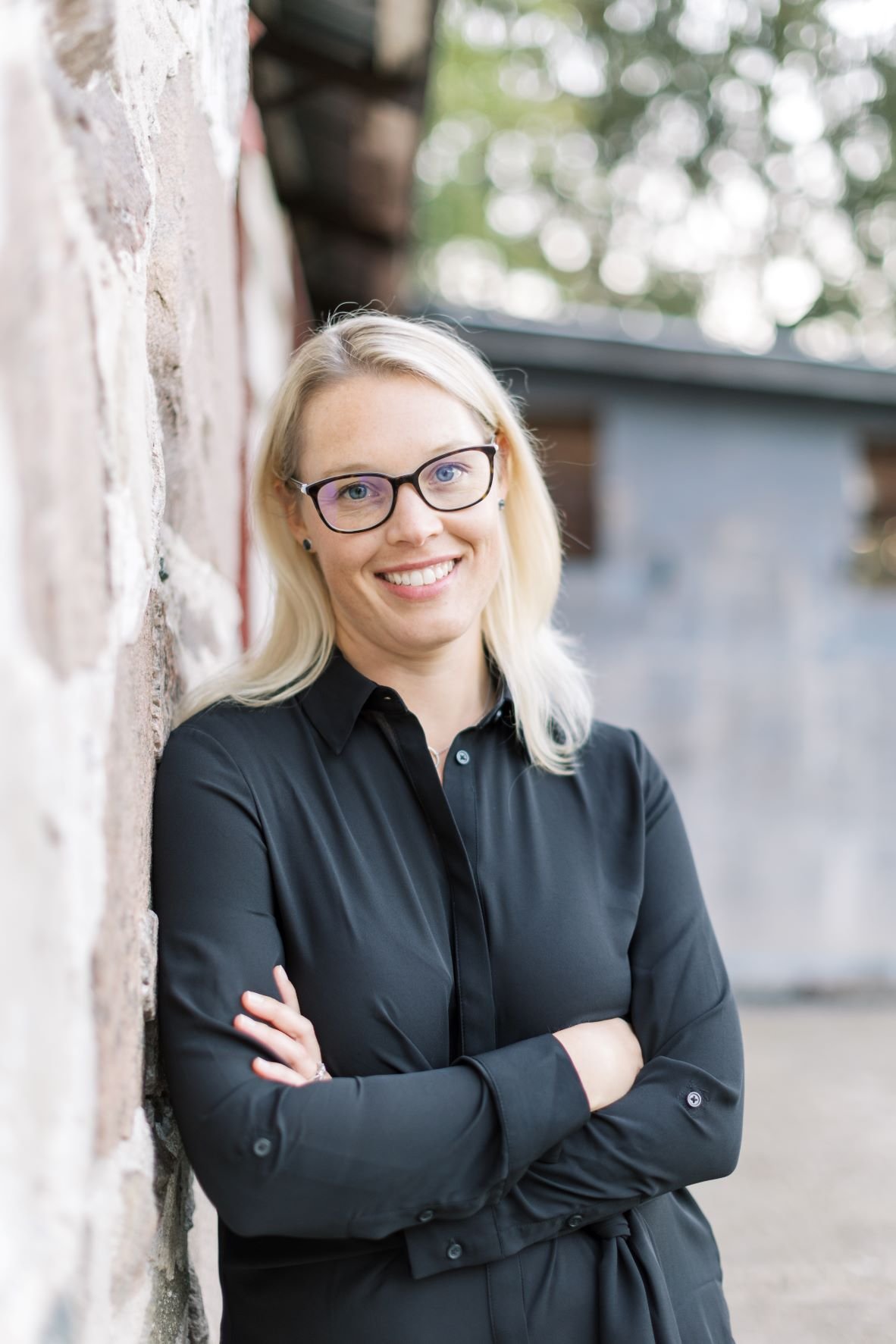
Darrell Wade, founder of Farm Life Financial Planning Group and a farm succession specialist, says that generational differences regarding change are a common source of friction on the farm, especially when multiple generations or siblings work together.
“Chances are everyone wants what’s best for the family farm, they just have their own idea of how to achieve it,” he says.
“That’s where an aligned vision and set of values can help.”
Wade recommends that this family — including brothers, their parents and anyone else involved in the farm or family — come together in a discovery session.
“The outcome would be to draft a shared vision for the farm that reflects everyone’s values,” he says. “This can unify the family and reduce feelings of exclusion or unappreciation by aligning efforts toward a common goal.”
Establishing and defining everyone’s role is another good place to start, says Wade.
“By defining where each sibling can best lead different areas of the farm business, they can then develop a decision-making model.” He suggests that they hold regular business meetings to introduce new ideas and evaluate management practices in a constructive manner.
“This can also foster harmony and give everyone a respected voice at the table.”
Wade says it important that generational or personality differences be acknowledged and embraced as strengths.
“When families are open minded, they can find alignment and complementary skills or ideas, like maybe a younger sibling’s push for sustainable practices could complement an older sibling’s traditional knowledge,” he says. “Sometimes a compromise could be piloting new ideas on a small scale to test innovations without risking major conflict. But you won’t find out unless everyone comes to the table with a willingness to listen to each other.”
*This family and case study are fictional
To read previous instalments in this series: