
Canberra/Beijing | Reuters — A trade deal between China and Canada has damaged Australia’s hopes of becoming China’s main supplier of canola, but the Pacific nation’s access to the world’s biggest oilseed importer has significantly improved, traders and analysts said.
China has resumed purchases of Canadian canola in the last two weeks after a months-long hiatus triggered by a trade war.
Read Also
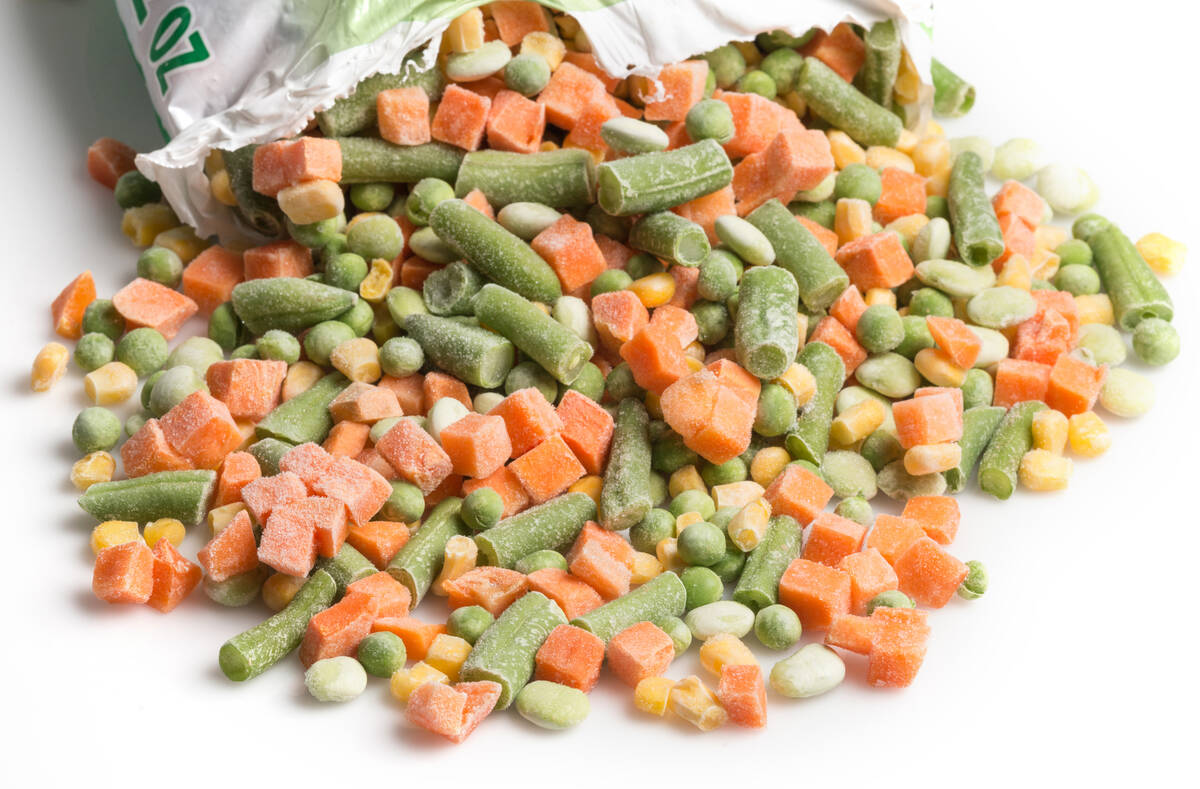
Canadian trade tribunal to examine imports of frozen, canned vegetables
Canadian officials will look into whether global imports of frozen and canned vegetables are threatening Canadian growers and processors.
Rival exporter Australia has been positioning itself to capture a share of the Chinese market, having sold around 500,000 metric tons to Chinese buyers after overcoming biosecurity hurdles that had previously blocked its access.
“Even if they do keep buying Canadian canola, China is now buying our canola for the first time in five years,” said Dennis Voznesenski, an analyst at Commonwealth Bank in Sydney.
WHY IT MATTERS: Australia has been positioning itself to capture a share of China’s canola market while Canadian canola was shut out due to trade disputes.
“Being back in China, even if not exclusively, is a good thing for Australian canola demand and prices,” he said.
Chinese buyers have snapped up as much as 650,000 tons of Canadian seed since Beijing and Ottawa struck an initial trade deal earlier this month that will slash tariffs on Chinese electric vehicles and Canadian canola, traders have told Reuters.
China imposed preliminary anti-dumping duties of 75.8 per cent on Canadian canola in August, largely halting shipments and idling its crushing industry. This month’s deal should drop total duties on canola to around 15 per cent.
Canadian and Australian prices will now influence trading decisions, dealers said.
“Prices hold the key,” said Stefan Meyer, who leads a trading team at brokers StoneX in Sydney.
There was little difference between the landed cost of Australian and Canadian canola in China, he said. “Australian exporters are matching the (Canadian) prices or offering slightly lower.”
Canada likely to retake lion’s share of China market
Canadian canola seed is being offered in China at $551 (C$745) a ton for March shipment, including cost and freight (C&F), compared with $550 a ton for Australian canola, two trade sources said. A third said Australian supply was $5-$10 cheaper than Canadian.
Canada, which grows much more canola than Australia, will likely retake the biggest share of China’s market, traders said.
“Domestic companies remain more inclined to purchase Canadian canola, having relied on it for years due to its large production and steady supply,” said Zhang Deqiang, an analyst at Sublime China Information.
But Australian exporters remain upbeat.
“We can compete on price for the volume and we would win demand if competitive,” said a source at an international trading firm in Australia.
This is “a significant improvement from not having any access to the market at all,” he said.
The first few Australian shipments are part of a trial to prove that seed from the country does not risk spreading a fungal plant disease called blackleg in China.
Two cargoes of about 60,000 tons have arrived so far from Australia. One, which arrived in China in January, is set to be crushed this week, according to traders with knowledge of the matter.
At least two more are due to sail in February, according to shipping data compiled by Bendigo Bank Agribusiness.
— Additional reporting and editing by Naveen Thukral