
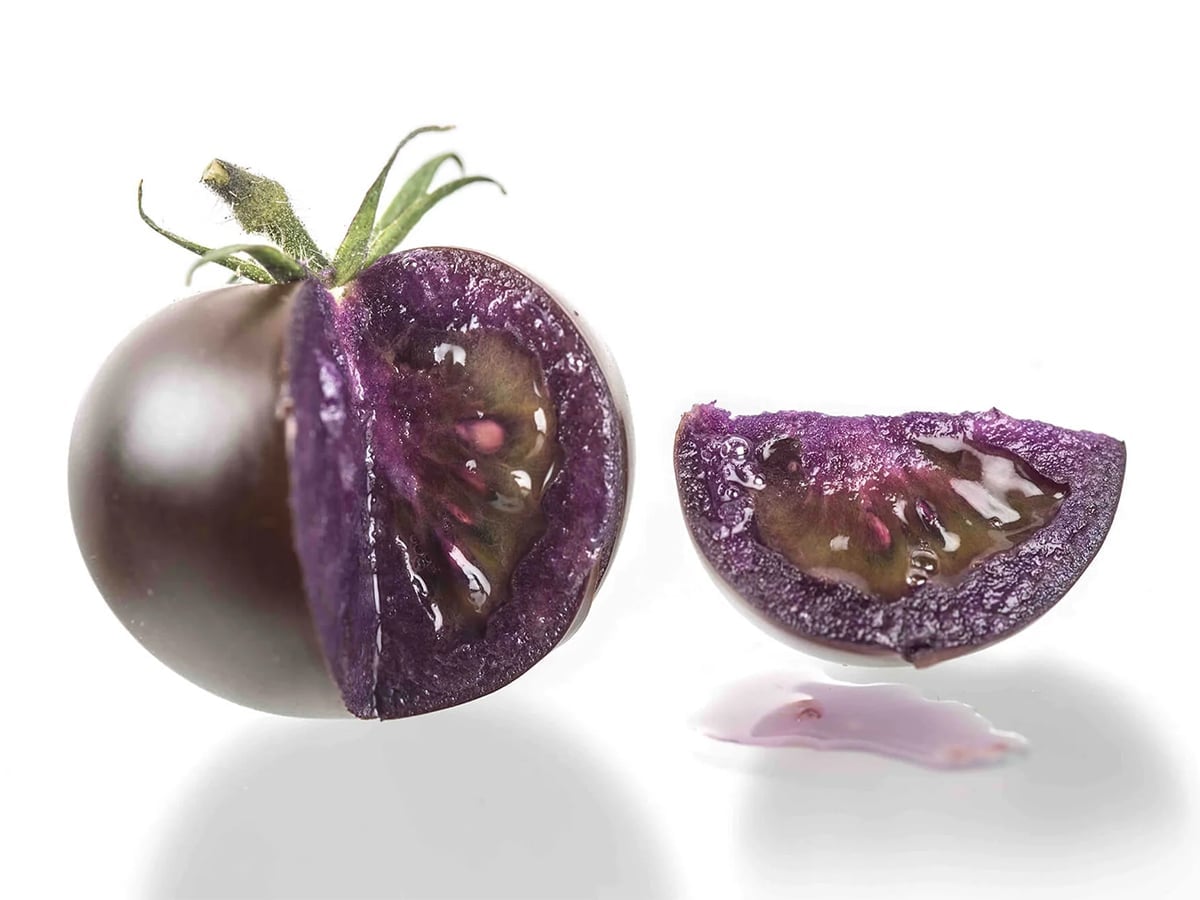
Selling genetically-modified purple tomato seeds to home gardeners could raise the risk of contamination of organic vegetable varieties and hamper farmers’ ability to save their own seed, says a group of advocates.
“Selling genetically engineered seeds to home gardeners is reckless and could jeopardize our ability to provide customers with organic and other non-GE choices,” said Mel Sylvestre, an organic farmer from Gibsons, B.C., in a statement from the Canadian Biotechnology Action Network (CBAN).
Read Also
USDA attachés forecast some changes in China’s oilseeds, cereals
As China heads into the 2026/27 marketing year, the United States Department of Agriculture attachés in Beijing projected a few minor to moderate changes in the country’s soybean, canola, corn and wheat crops.
CBAN has been vocally critical against GMOs and gene editing in foods.
This August, U.S.-based Norfolk Healthy Produce received Health Canada’s approval to bring The Purple Tomato to Canada. The tomato has had traits from snapdragons added to its genetic makeup. This causes its deep purple colour and increases the amount of an antioxidant called anthocyanin.
Contamination fears
CBAN coordinator Lucy Sharrat said that as of Dec. 2, seeds for the purple tomato were listed in Norfolk’s online seed store but were marked as sold out. On Dec. 18, the seeds appeared to no longer be listed.
The fear is that if genetically modified produce is widely grown across Canada, this will raise the risk of contaminating other varieties. This is a problem for organic farmers, who cannot grow genetically-modified crops under the Canadian Organic Standards.
Organic groups have also said cross-contamination concerns could lessen the standards’ credibility and hamper export opportunities.
CBAN is calling for mandatory labelling of genetically-engineered seeds as is the Canadian Organic Trade Association.
“With no GE garden seeds previously on the market in Canada, gardeners may not expect these seeds to be GE and would not have clear indications that identify them as GE at the point of purchase,” said the association’s executive director Tia Loftsgard in a statement.
On its website, Norfolk Healthy Produce frequently calls its plants “bioengineered,” which is in keeping with U.S. labelling conventions according to a ‘frequently asked questions’ page. Its seeds are currently only for sale on its website, it said.
Seed sovereignty
CBAN said the introduction of genetically-engineered seeds could also threaten the ability of growers to save seeds and cultivate heritage varieties.
“Our customers want to buy the seeds we’ve nurtured on our farm, not patented seeds from corporate laboratories,” said Kim Delaney, founder of Hawthorn Farm Organic Seeds in Mount Forest, Ontario.
“We should reinforce our local seed systems and reject genetically engineered seeds from U.S. and multinational biotechnology companies. Canadian seed sovereignty should be a priority for all levels of government.”
“We don’t need or want genetic engineering in our gardens,” Delaney added. “We already have many good varieties of purple tomatoes.”
A group of 163 farmers signed a statement in opposition to the sale of genetically-engineered or gene-edited seeds to Canadian gardeners and small growers.