

Chicago | Reuters—Mosaic Co said on Friday that water supporting the chemical company’s storage of a waste byproduct from fertilizer manufacturing in Florida probably made its way into Tampa Bay following a downpour from Hurricane Milton.
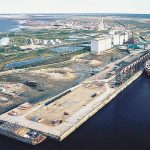
The discharge of possibly more than 17,500 gallons from Mosaic’s facility in Riverview, a fast-growing Tampa suburb, raised potential environmental concerns.
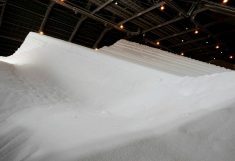
The industrial byproduct, phosphogypsum, is known to emit radon, a cancer-causing radioactive gas.
Mosaic said a storage system for water around a pile of phosphogypsum became overwhelmed in Riverview. The site received nearly 15 inches of rain during Hurricane Milton less than two weeks after Hurricane Helene, the company said in a statement.
Read Also

Iran says Strait of Hormuz open as Trump sees deal ‘soon’ to end war
The Iranian foreign minister said the Strait of Hormuz was open on Friday following a ceasefire agreement in Lebanon, but shipping companies reacted cautiously.
Water quality impacts in Tampa Bay are expected to be “modest,” if any, Mosaic said.
The company addressed the overflow issue on Thursday and it was not continuing on Friday, it said in the statement. “We’ve been in constant communication with regulators who are onsite today.”
The affected phosphogypsum pile is closed, meaning the company is not adding new material to it, Mosaic said.
Phosphogypsum contains radium, which decays to form radon gas, the U.S. Environmental Protection Agency said, noting that radium and radon are radioactive and can cause cancer.
The EPA requires that phosphogypsum be managed in engineered piles or stacks to limit public exposure from radon emissions.
The EPA told Reuters the Florida Department of Environmental Protection regulates the design, construction, operation and maintenance of phosphogypsum stack systems and they must continue to comply with all regulatory requirements.
The Florida Department of Environmental Protection had no immediate comment.
Mosaic, which mines phosphate rock in Florida and produces about three-quarters of North America’s phosphate fertilizers, said it idled Florida operations in anticipation of Milton.