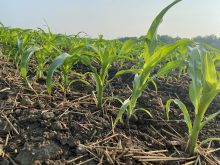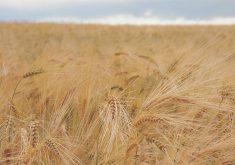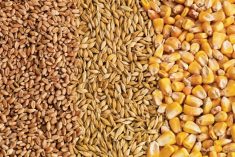

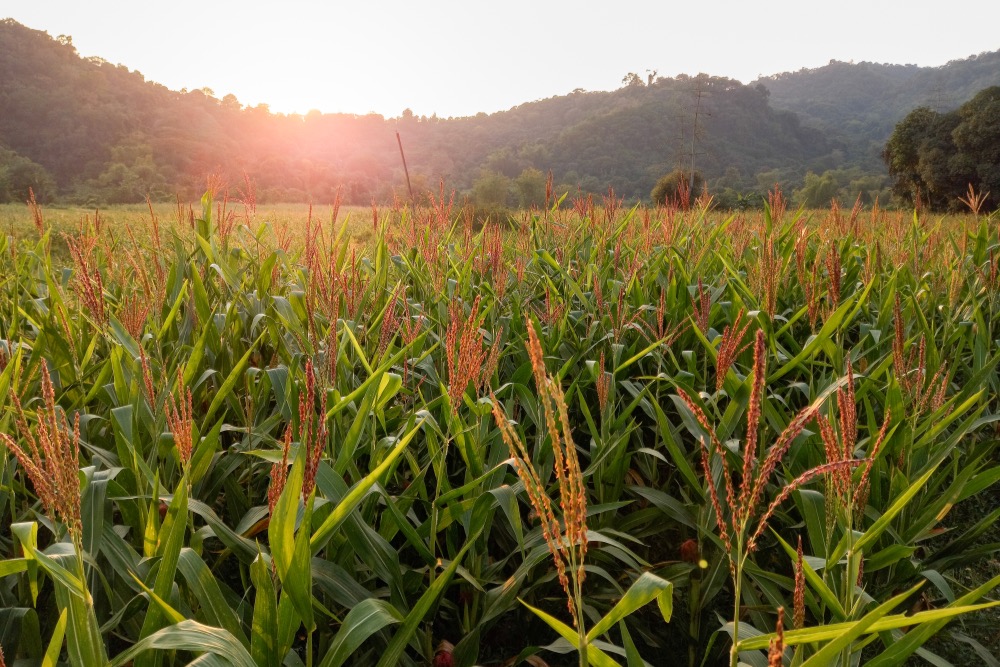
Manila | Reuters — Philippine President Ferdinand Marcos Jr. vowed Monday to do what it takes to boost his country’s rice and corn production, seeking to reduce reliance on imports and avoid being hit hard by a food crisis now looming across the world.
Marcos, who was sworn in as president last week and has appointed himself agriculture minister, said the Philippines — the world’s second-biggest rice importer — was now at a disadvantageous position over its food supply.
“When we look around the world, everyone is preparing for it,” Marcos said during a meeting with senior agriculture officials, referring to the food crisis.
Read Also
Canola, U.S. soybean crushes expanding
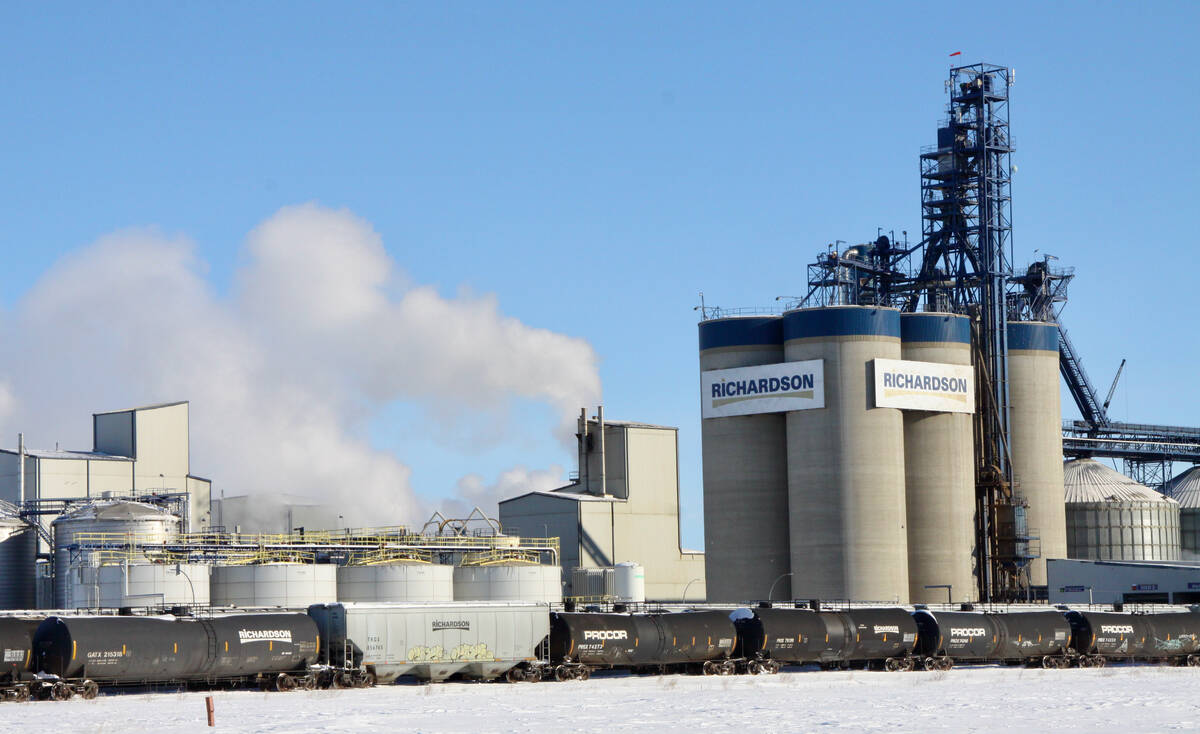
In calendar year 2025, the canola crushes in Canada and the United States remained above their respective five-year averages, Statistics Canada reported on March 13. While the U.S. soybean crush continued to expand, StatCan didn’t include any soybean crush data for 2025 due to confidentiality requirements under the Statistics Act.
“So we should really pay close attention to what we can do.”
Marcos comes to power at a critical time, with inflation at its highest in more than three years and as the world faces a tightening food supply, resulting from the conflict between major cereals exporters Russia and Ukraine.
A transcript of the meeting provided by the presidential mentioned no specific remedial measures or targets, but Marcos said the government would ensure affordability of food prices.
To ensure long-term food sufficiency and affordability, Marcos reiterated a campaign promise to “reconstruct our value chain”, within his six-year term, to lessen dependence on food imports.
He also sought a review of a 2019 Rice Tariffication Law, which opened the Philippine door wider to imports by removing the annual quota on purchases and limiting the government’s role in rice trade to ensuring supply during emergencies.
— Reporting for Reuters by Enrico Dela Cruz.