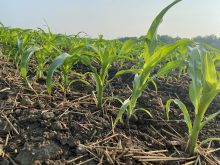


Chicago | Reuters — The United States aims to double the country’s cover crop plantings to 30 million acres by 2030 under a new Department of Agriculture (USDA) conservation program launched on Monday.
The agency’s Natural Resources Conservation Service (NRCS) will spend US$38 million to help farmers in 11 states plant crops at a time fields are often left fallow, which can bolster soil health, limit soil erosion and capture and store carbon.
The investment, made through a partnership with the United Soybean Board, National Corn Growers Association, National Pork Board and others, is the latest farm-level effort by the Biden administration meant to address climate change.
Read Also
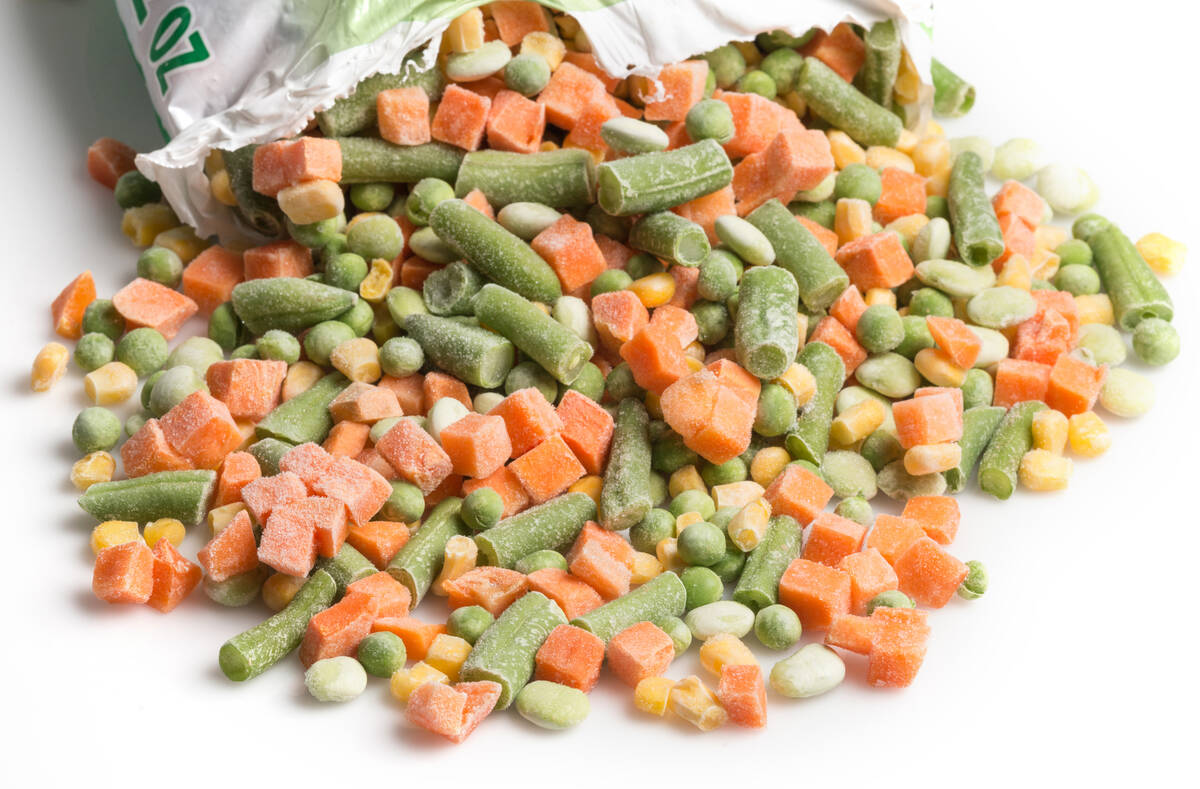
Canadian trade tribunal to examine imports of frozen, canned vegetables
Canadian officials will look into whether global imports of frozen and canned vegetables are threatening Canadian growers and processors.
Cover crop plantings have been rapidly expanding in recent years as some large agricultural companies launched carbon farming programs that pay farmers to adopt more environmentally friendly practices.
USDA Secretary Tom Vilsack announced the Environmental Quality Incentives Program’s Cover Crop Initiative, at the American Farm Bureau Federation’s annual convention in Atlanta.
The most recent USDA Census of Agriculture showed 15.4 million acres of cover crops were planted in 2017, a fraction of overall acreage devoted to agriculture.
Rob Myers, director for the Center for Regenerative Agriculture at the University of Missouri, estimates plantings were as high as 22 million acres in 2021.
Farmers and ranchers in Arkansas, California, Colorado, Georgia, Iowa, Michigan, Mississippi, Ohio, Pennsylvania, South Carolina and South Dakota will be eligible for incentives under the program, which USDA aims to expand in coming years.
— Reporting for Reuters by Karl Plume in Chicago; additional reporting by Leah Douglas in Washington.