

Reuters – Tyson Foods Inc said on Tuesday it was mandating COVID-19 vaccinations for its entire workforce, joining a growing list of major U.S. companies as they face renewed pandemic restrictions due to the fast-spreading Delta variant.
Surging COVID-19 cases and new guidance from the U.S. Centers for Disease Control and Prevention (CDC) that requires fully-vaccinated individuals to wear masks have led many companies to rethink their plans.
Many of corporate America’s biggest names have taken action following the CDC’s guidance, including mask mandates from McDonald’s Corp, Apple Inc and vaccination requirements by Walmart and Walt Disney.
Read Also
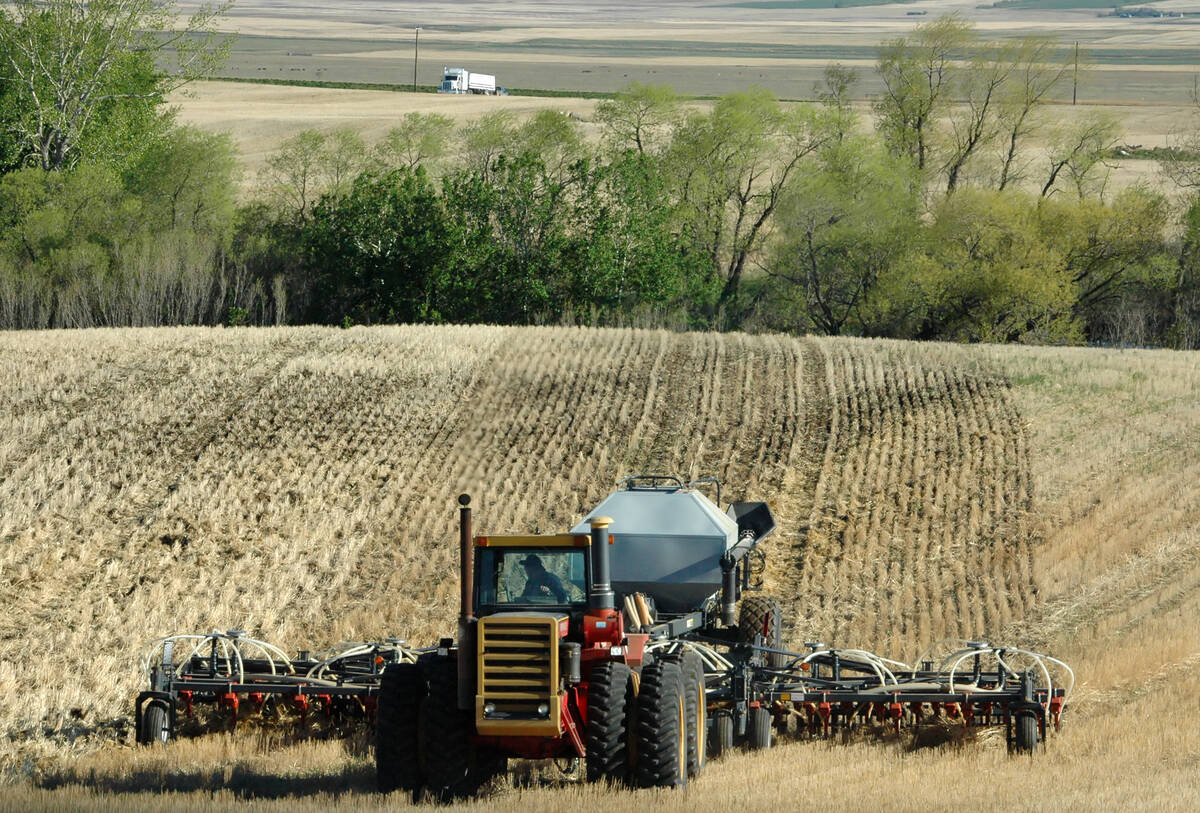
Western Australia farmers turn to canola over wheat as fuel, fertilizer costs rise
Farmers in Western Australia will swing to canola from wheat and plant less land than last year as they grapple with concerns over the availability and cost of fuel and fertilizer.
U.S. officials said on Monday COVID-19 cases, along with hospitalizations and deaths from the virus, have increased in the last week, even as vaccination rates have seen a pick up amid concern over the highly contagious Delta variant.
The CDC said there were about 72,000 new COVID-19 cases per day in the United States as of Saturday, a 44 percent increase over the previous week and higher than the peak set in the summer of 2020.
Tyson said on Tuesday its employees at U.S. office locations should be fully vaccinated by Oct. 1, while other locations have until November. It added that nearly half its U.S. workforce were vaccinated.
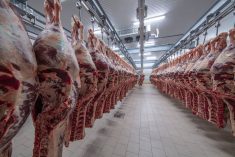
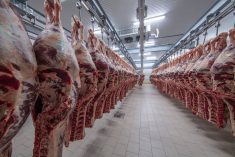
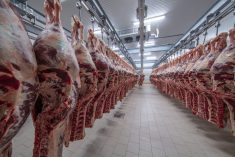
Labor unions and meat companies have been pushing states to increase the pace of vaccine rollout in the food sector to protect workers and avoid supply-chain disruptions from COVID-19 outbreaks, such as closures of slaughterhouses last year.