

MarketsFarm — The Port of Thunder Bay reports “a surge in grain throughput” as the global COVID-19 pandemic has led to tight grain supplies in some countries and an increase in demand.
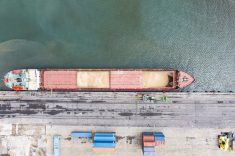
Grain moved through Thunder Bay, on the northern shore of Lake Superior, is loaded onto “laker” vessels that transport to North American destinations and “saltie” vessels that export overseas.
The sharpest increase in movement has been in direct international exports, with France, Morocco and Italy all seeing larger movement on the year.
Read Also
AAFC projects tighter canola stocks for 2026-27
Canadian canola carryout supplies at the end of the upcoming 2026-27 marketing year will be tighter than earlier projections, according to updated supply and demand estimates from Agriculture and Agri-Food Canada, released April 17.
A total of 1.2 million tonnes of grain have moved through the port since it opened for the season on March 26, which would be up by 37 per cent compared to the previous year. Dry bulk and potash movement are also running ahead of the previous year’s pace, although coal shipments are down.
Total cargo movement in 2020 to-date, at 1.352 million tonnes, is up 36 per cent from 2019.
Rail traffic has increased significantly at the port in recent weeks, with grain railcar volume as of April 28 nearly double what moved during the same time the previous year.
“The capability of this supply chain and the commitment of the partners all along the supply chain, are really shining through during this unprecedented time,” port CEO Tim Heney said in a release.
“The railways, stevedores, grain elevators, inspectors and mariners, to name a few, are handling increased trade despite the challenges posed by the pandemic. They are keeping commodities flowing to parts of the world that could otherwise see a food shortage.”