

MarketsFarm — Agriculture commodities on the Chicago Board of Trade started the decade on a high note, thanks to general optimism regarding an impending trade deal between the U.S. and China.
Phase One of the trade deal between the two countries is set to be signed at the White House on Jan. 15, according to tweets from U.S. President Donald Trump.
“We’ll see if that actually happens,” said Steve Georgy, president of Allendale Inc. at McHenry, Ill.
Commodity markets have been buoyed by optimism regarding the trade deal, though particular details have been scarce. “Everyone is kind of guessing,” Georgy said.
Read Also
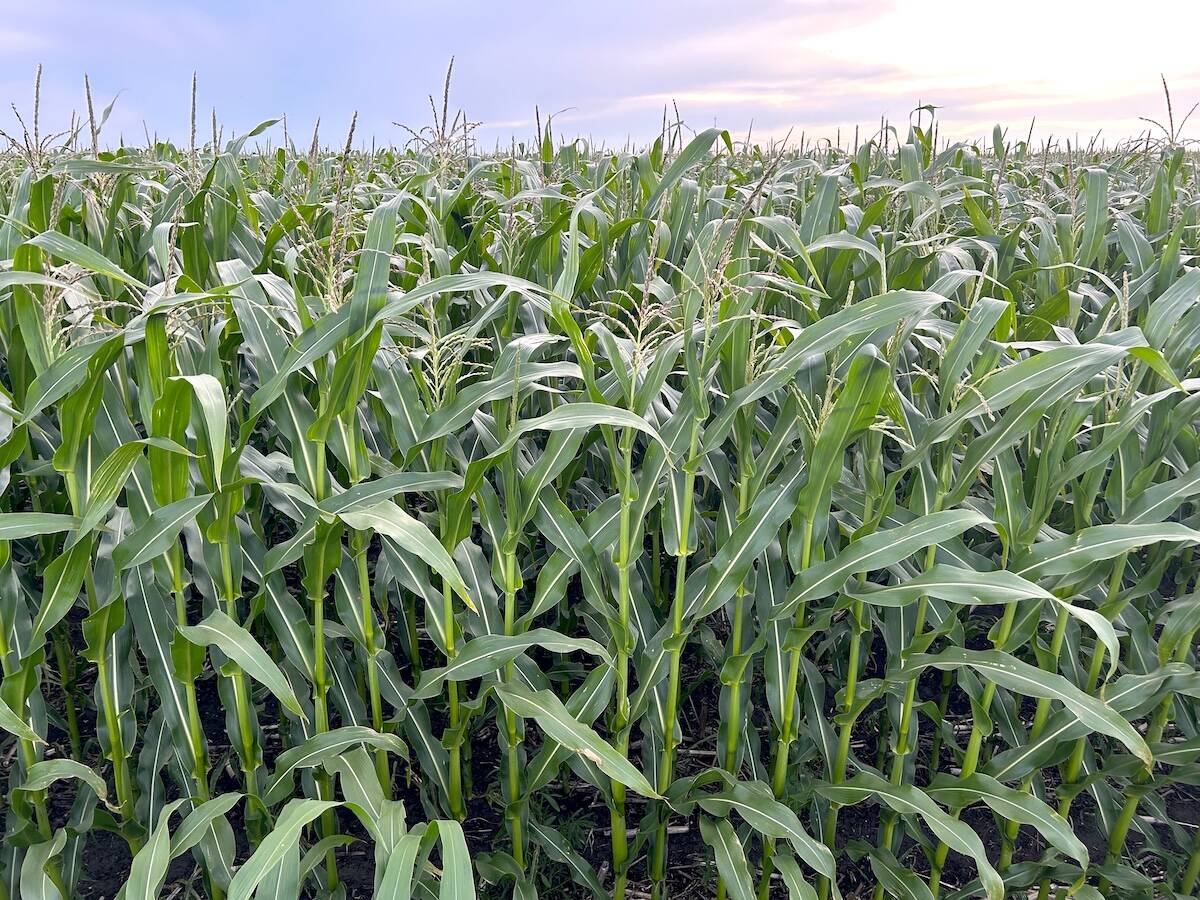
Pay more attention to South American corn
Brazil’s massive soybean crop may be grabbing the headlines, but there should be more attention on the difficulties with the country’s corn crop, said analyst Michael Cordonnier of Soybean and Corn Advisor Inc.
“There’s been talk of [China buying] US$40 billion of agriculture products, but we don’t really know what that even means.”
Commodity prices are working steadily higher in anticipation of the trade deal due to rumours of increased buying for U.S. soybeans and wheat. However, due to the lack of verified information, a pullback in prices would be “well-supported.”
Markets are also waiting in anticipation of Jan. 10, when the U.S. Department of Agriculture (USDA) releases its world agriculture supply and demand estimates (WASDE). While there are no estimates yet, the report will likely detail the extent of unharvested acres due to poor harvest conditions.
“The market is very cautious ahead of this report,” Georgy said.
“There are a lot of acres with crops in the field, so what kind of changes, if any, does the USDA make to those numbers?”
— Marlo Glass reports for MarketsFarm, a Glacier FarmMedia division specializing in grain and commodity market analysis and reporting.